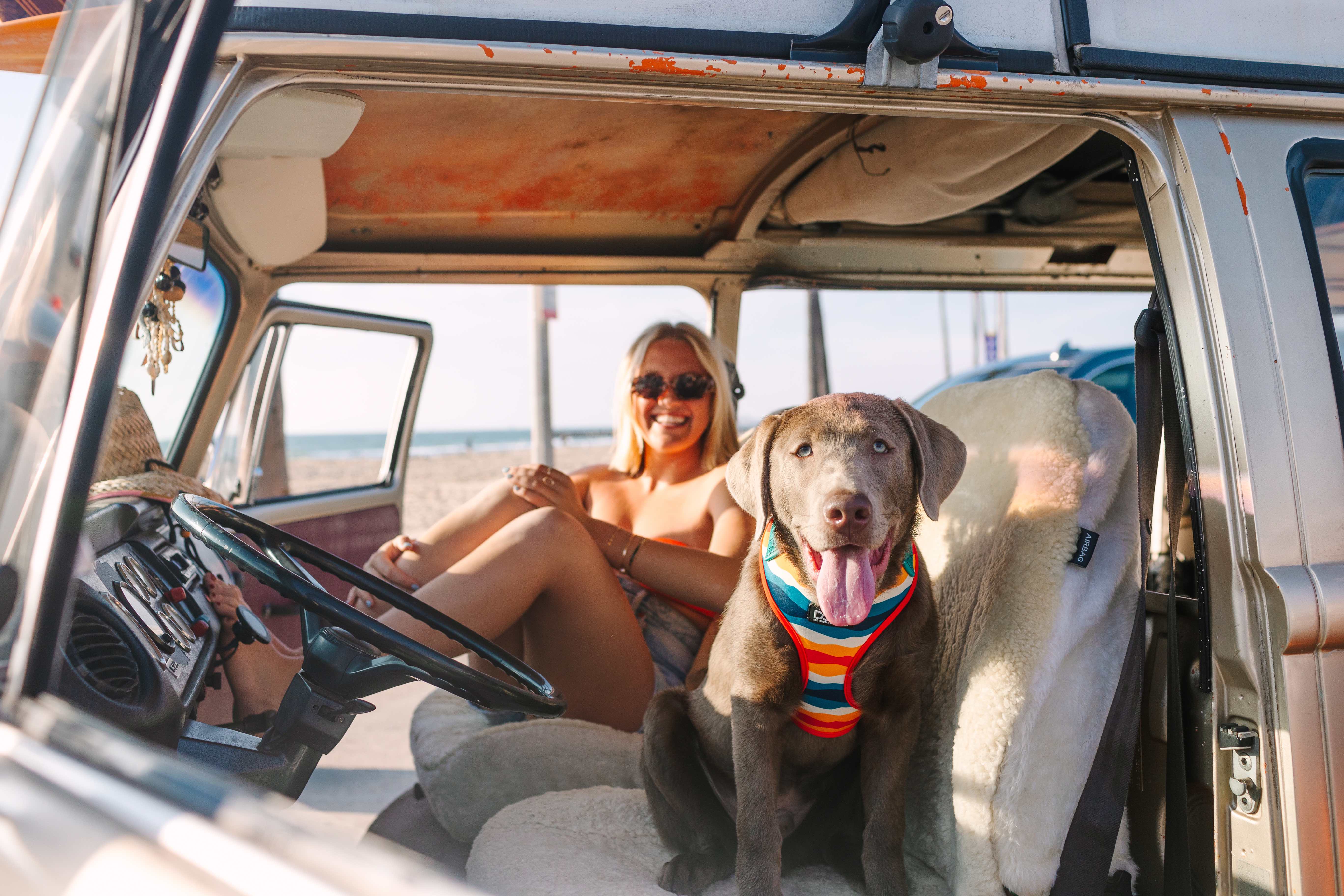



The Ultimate Guide to Camping with Your Dog
Camping with your dog is one of the best ways to bond, but a successful trip doesn’t happen by chance. There’s something special about waking up in a tent peacefully, camping with your dogs curled up beside you.
The natural beauty, smell of eucalyptus, the sound of kookaburras, and that first morning tail wag – it’s all simply irresistible.
You just need the right gear and careful planning with preparedness to be able to enjoy that great Australian outdoors safely and comfortably. The reward is simply worth the effort.
Choosing a Dog-Friendly Campground
Before you book, check the official park website or call the ranger station. Some campgrounds also limit the number of dogs per site or restrict access during peak times.
National parks are generally off-limits. In most states, dogs are prohibited from national parks to protect native wildlife and sensitive ecosystems.
Parks Victoria, for example, doesn’t allow dogs in national parks, and the same goes for NSW and South Australia. If you’re planning a trip to a national park, leave your dog at home or choose a different destination.
In NSW, Murray Valley Regional Park allows dogs on-leash at campgrounds like Gulpa and Edward River Bridge.
Essential Gear for Camping with Your Dog

Just like you pack for yourself, do the packing for your dog. You’ll need the following stuff:
-
A good harness and lead make all the difference. A well-fitted one isn’t just about control – it’s kinder on your dog’s neck and helps them feel more secure when everything around them smells new and strange.
-
You’ll also want to think about keeping your pup comfy. Our DOOG Car Seat doubles as a bed at your destination, making their nap time a familiar spot wherever you go. Please link to our travel gear.
-
Collapsible food and water bowls are a lifesaver too; they pack down small and are easy to toss in your bag. Don’t forget to bring enough food for the whole trip, and stash a little extra in a sealed container just in case plans go sideways. It keeps things fresh and out of reach of curious critters.
-
A first-aid kit designed with pets in mind is an additional product you are happy to have but hope you won't need. Consider bandages, gauze, saline, scissors, tweezers or a tick remover, and antiseptic wipes. Before you leave, it's worthwhile to review how to use them. Furthermore, have the number for the nearest emergency clinic and your veterinarian on hand. Just knowing that they are there will make you feel much better.
-
Pick Up Bags are also crucial. Leaving no trace applies to your four-legged hiking buddy too. Pack plenty of Pick Up bags and don't forget to actually use them. A Walkie Pouch, which easily dispenses your Pick Up Bags with ease, clipped right onto the leash makes life so much easier, and it saves you that sinking feeling of realizing you left the bag supply back in the car.
-
Dog toys are one of the best things to pack for a camping trip with your pup, offering both mental stimulation and a sense of familiarity in a new environment. After a day of exploring, toys give dogs a positive outlet for energy, helping to prevent boredom or unwanted behaviours around camp. Packing a few durable, lightweight options like DOOG’s Fetchables – designed to float, fly far, and handle rough play, means you’re always ready for a game by the water or in the bush. A trusty chew or comfort toy also helps your dog wind down at night, keeping them relaxed, content, and right at home in the great outdoors.
Health and Safety: What to Check Before You Go
Update vaccinations and parasite prevention. Some campgrounds will ask to see proof of current vaccinations, particularly for kennel cough and parvovirus.
Make sure your dog's vaccinations are up to date well before you head out. Most of them take about two weeks to really kick in. If you're travelling to the east coast of Australia, paralysis ticks are something you'll want to take seriously.
These little guys can cause paralysis and, in the worst cases, can be fatal if you don't catch it in time. Have a chat with your vet about the right preventatives before you go. And if you're planning a trip to Northern Western Australia or the Northern Territory, it's worth asking about ehrlichiosis too.
It's another tick-borne disease that's been popping up in those areas. A quick conversation with your vet can save you a world of worry later.
Check microchip details. Before you leave, verify that your dog’s microchip details are current. If you’ve moved or changed phone numbers, update the registry. A collar with an ID tag that includes your mobile number is also essential.
Also know the snake risks. Snakes are active in many camping areas, where you might like to take your dogs, especially during warmer months.
Making the Car Trip Comfortable

If your dog isn’t used to car journeys, start with short practice trips before the big day. This helps ease anxiety and lets you gauge how they handle travel.
Our car seats help reduce your dog’s travel anxiety by giving them a defined, secure space of their own, so they feel safe and less overwhelmed on the road.
It also helps ease motion sickness by keeping your pup upright and at a stable height, allowing them to see where you’re going and stay better aligned with the car’s movement.
Soft, padded sides and a harness‑attachment point keep your dog calm and settled, so each journey becomes a more comfortable and stress‑free experience for both of you.
During your prior visit to the vet, ask for antianxiety products or motion sickness treatments. You should do this because essentially if your dog struggles with car travel. Don’t feed him for at least two hours before car travel to minimize the risk of motion sickness.
Plan to stop every few hours so your dog can stretch their legs, have a drink, and go to the toilet. These breaks are good for you and your family as well.
At the Campsite: Setting Up for Success
Keep your dog under control. Even in dog-friendly areas, most campsites require dogs to be on-leash or under your control at all times. This protects your dog from hazards like snakes, cliffs, and other animals, while also protecting wildlife.
If you take familiar items, that will be highly rewarding. A favourite blanket or toy helps your dog settle in a new environment. If you’re using a DOOG Car Seat that doubles as a bed, it provides a familiar spot with familiar smells.
Stay Vigilant Around Water
If you’re camping near a creek, river, or beach, keep a close eye on your dog. In the Northern Territory and northern Australia, crocodiles are a real risk – only swim in signed areas and never let your dog enter the water unsupervised.
Don’t forget about the harsh wildlife. Your dog’s presence can disturb native animals. Make sure your dog doesn’t chase or harass wildlife, and store food securely to avoid attracting possums, goannas, or other curious creatures.
A Note on Fire Safety
Campfires are part of the camping experience with your dog, but they come with risks. Never leave your dog unattended near a fire. Keep them on a lead when the fire is lit, and make sure they can’t accidentally knock over cooking equipment or get too close to the flames.
The Bottom Line

We hope that tips we shared for camping with dogs will prove to be useful for your next trip. Camping with your dog takes preparation, but the payoff is massive.
You get to share the adventure with your best mate, waking up to new places and making memories that last a lifetime. The key is planning ahead – choosing the right campground, packing the right gear, and keeping your dog’s health and safety front of mind.
Hit the road with DOOG. We make quality outdoor gear designed for adventures with your dog including harnesses, car seats, covers, and go travel accessories. Check out their range and get your dog camping-ready today.
Latest Blog