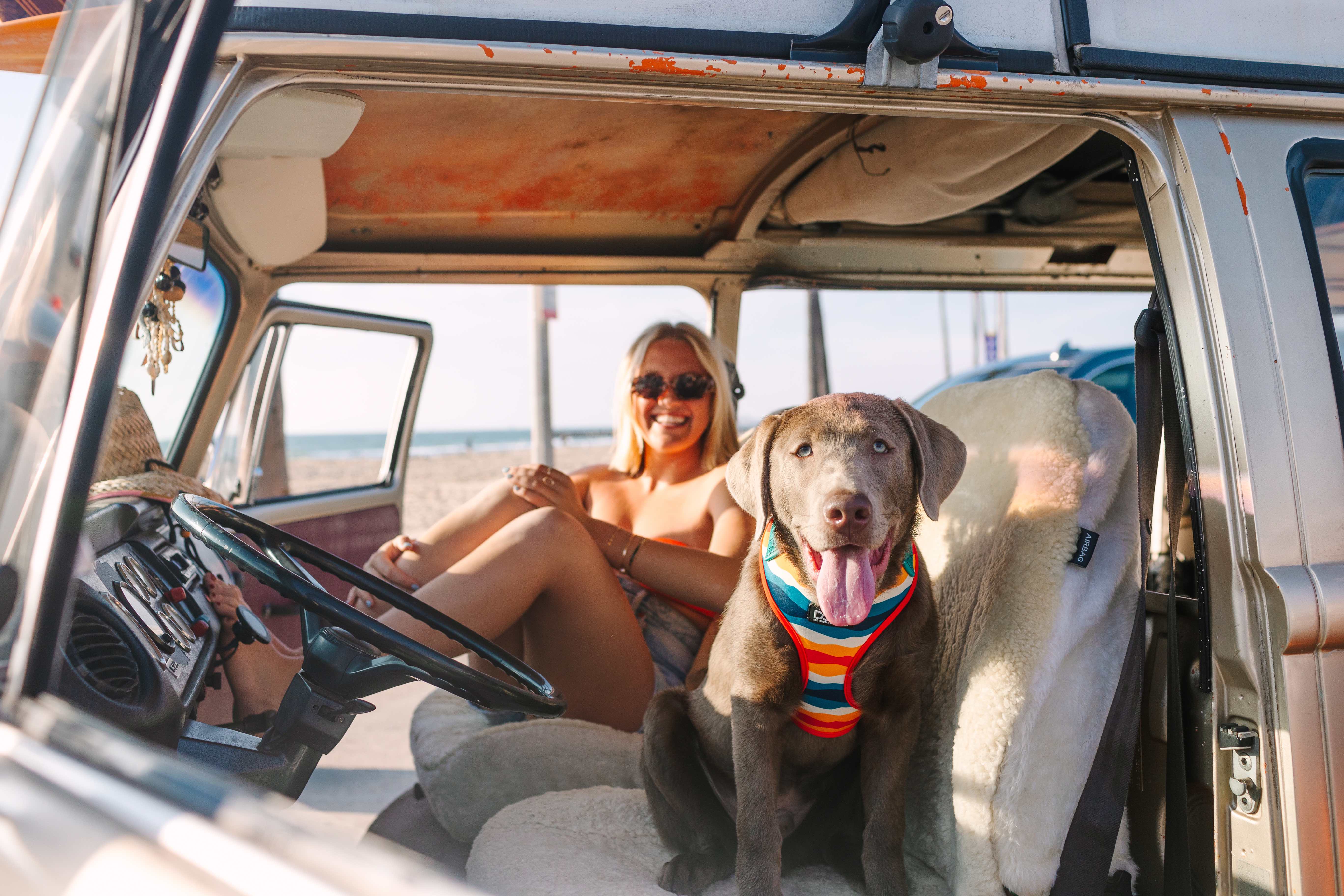


How to Measure a Dog for a Harness
Nothing ruins a good walk faster than a harness that’s too tight (rubbing and chafing your mate raw) or too loose (slipping off mid-zoomies or letting them wriggle free).
In Australia, where we’re out on roads, beaches, bush tracks, and neighbourhood laps every day, a properly fitted harness is non-negotiable for safety and comfort.
Get it wrong, and you risk neck strain (collars can cause serious issues when dogs pull), chafing under the legs, or even your dog backing out and bolting. Get it right, and walks become fun, controlled adventures for both of you.
Poorly fitted or low-quality collars can put dangerous pressure on a dog’s neck and trachea. Harnesses spread the load across the chest and shoulders, slashing that risk. Dogs often pull harder on harnesses (up to 60% more force in some tests), so fit is even more crucial to avoid discomfort or escape attempts.
The fix? Measure properly and choose a quality harness that is comfy, adjustable, and designed for Aussie active pups.
Why Proper Harness Fit Matters (Pain Points & Solutions)

Problem: Tight harnesses cause chafing, hot spots, or restricted movement. Your dog ends up miserable on walks.
Solution: Leave room for two fingers under straps; go for padded, breathable designs like neoprene for our hot climate.
Problem: Loose harnesses slip off shoulders or allow escape, especially with wriggly breeds or escape artists.
Solution: Measure accurately and pick adjustable harnesses with secure clips. DOOG’s Neoflex and Neosport ranges let you tweak for a custom fit.
Problem: Wrong size leads to pulling issues, neck strain (if it rides up), or poor control on busy paths.
Solution: Focus on chest girth as the key measurement; add reflective bits for low-light walks common in winter evenings.
Problem: Over time, a poor fit can cause long-term discomfort or injury.
Solution: Regular checks and quality gear keep things safe. Harnesses reduce neck pressure compared to standard flat collars.
Step-by-Step: How to Measure Your Dog for a Harness
 Grab a soft fabric measuring tape (like a tailor’s tape) or a piece of string + ruler if you’re in a pinch. Have your dog standing naturally on all fours – straight back, weight even.
Measure the Chest Girth (Most Important!)
This is the circumference around the widest part of your dog’s chest/rib cage, right behind the front legs.
-
Wrap the tape snug (not tight) around the body, just behind the elbows.
-
It should sit level across the back and under the chest.
-
Add a bit of wiggle room: aim for comfy but secure – two fingers should slide under easily. Girth is usually the deciding factor for dog harness sizes.
Measure the Neck (If Required)
-
Some harnesses use neck size too, especially step-in styles.
-
Measure around the base of the neck where a collar sits (below the ears, above the shoulders).
-
Snug but not choking – again, two-finger rule.
Check Other Bits (Optional but Handy)
-
For step-over harnesses, measure from the withers (top of shoulders) to the base of the tail for back length, if the chart asks for it.
-
Note your dog’s breed/weight as a rough guide, but always trust your dog’s harness measurements over breed charts.
If they’re fidgety, bribe with treats or get a mate to help hold steady. Take each measurement 2–3 times for accuracy.
Quick Tips for Aussie Dogs
Measuring a dog for a harness is a common concern for most people with pets at home. Here are some useful tips to help you through the measurement process:
-
Measure when your dog is relaxed.
-
If between sizes, go bigger and adjust down – better loose than too tight.
-
Re-measure growing pups every few months or after weight changes.
-
For water-loving or beach dogs, choose neoprene or quick-dry materials to avoid chafing in humid conditions.
DOOG Harness Sizing – Made for Aussie Adventures
DOOG’s harnesses, including the Neoflex Soft Harness and Neosport, are designed for active Aussie dogs. They’re padded for comfort, fully adjustable for a secure fit, and made with water-friendly materials suited to beach days and outdoor adventures.
Always measure your dog before choosing a size and use breed guides as a general reference only. For exact fits, refer to DOOG’s official size chart:
-
XS: Lower Neck 23–26 cm, Chest girth 28–34 cm
-
S: Lower Neck 26–31 cm, Chest girth 32–44 cm
-
M: Lower Neck 30–34 cm, Chest girth 40–56 cm
-
L: Lower Neck 34–40 cm, Chest girth 50–70 cm
If your dog falls between sizes, choose the larger size and adjust for a comfortable, secure fit.
Wrapping It Up: Get the Perfect Fit Every Time
 We hope you found the answer to your concern: what size dog harness do I need?
Measuring your dog for a harness takes five minutes but saves heaps of hassle, discomfort, and potential injury down the track. A perfect fit means happier walks, better control, and a stress-free pup who actually enjoys being out and about.
Grab your tape, get measuring, and sort your mate with the right gear today. Your dog (and your arms) will thank you!
Got questions about fit or need help picking the best DOOG harness for your breed?
Shoot us an email or give the team a call. We're always keen to chat sizing, breed recommendations, or whatever's on your mind – happy to help sort the perfect fit for your mate!
Happy walking!
Latest Blog